Recognize the style
Use a clear visual direction and current lookbooks to help the right shopper identify with the boutique.
 ContactContact
Website design for clothing boutiques
Turn current collections, real styling and useful fit information into a visual experience that still makes shopping and store visits straightforward.
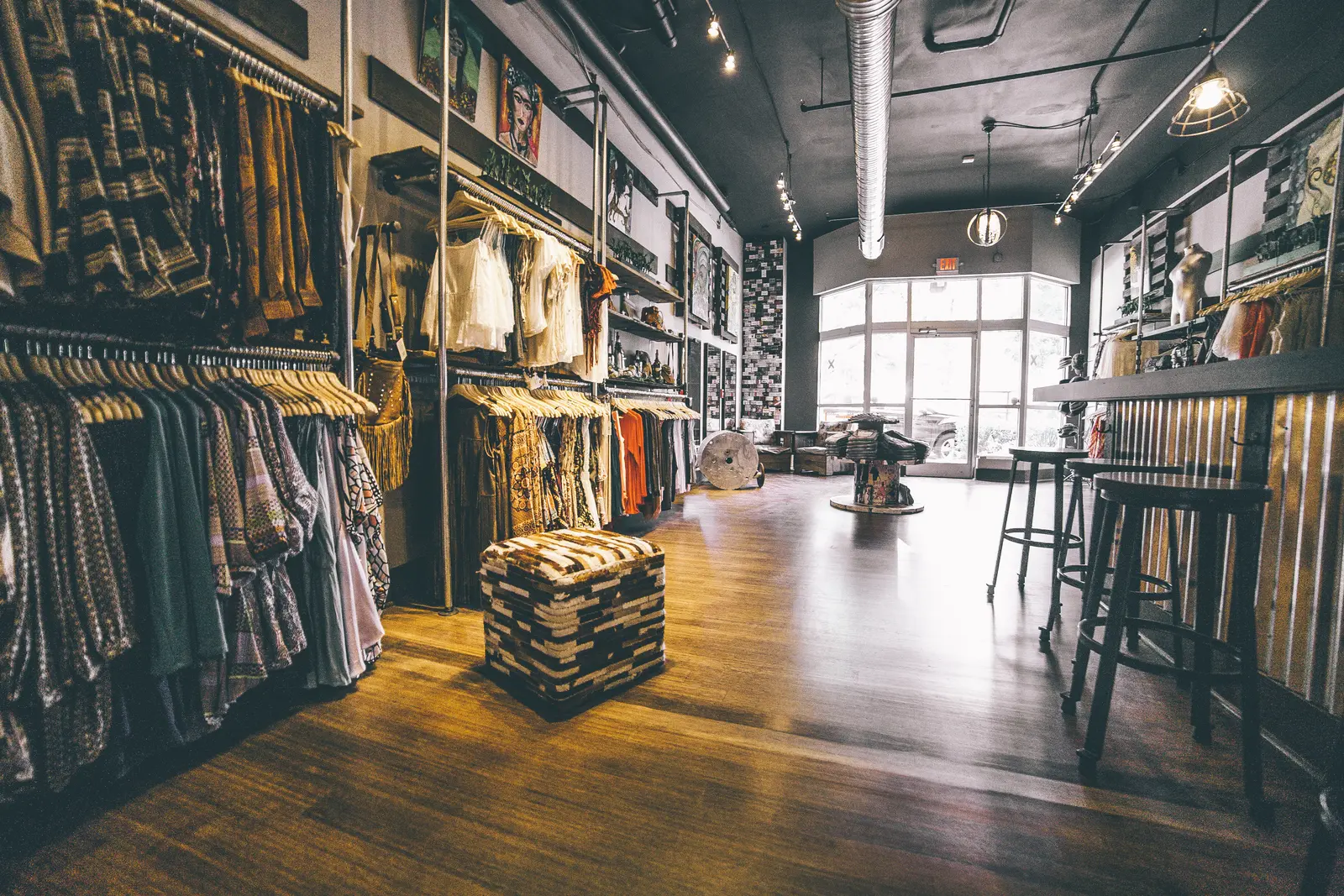
Style with structure
The site should express a recognizable point of view while answering practical questions about fit, availability, pickup, returns and where each collection can be found.
Authentic fashion imagery
Real garments, models, styling and store scenes build more useful confidence than unrelated stock fashion.
Explore websites for photographersShow silhouette, texture and details at a useful scale.
Use permissioned imagery and avoid implying one fit represents every body.
Separate available, seasonal, archived and representative work clearly.
Create a repeatable approach the boutique can maintain across new releases.
The fitting-room journey
Editorial storytelling and commerce work best when each supports a real customer question.
Use a clear visual direction and current lookbooks to help the right shopper identify with the boutique.
Present fit notes, measurements, materials, care and variant information beside authentic images.
Connect each collection to a supported purchase, pickup, reservation or store-visit path.
Seasonal publishing plan
A launch process should protect useful URLs while making expired merchandise easy to handle.
Set image direction, tone, typography and collection hierarchy.
Creative directionStandardize fit, measurements, materials, care and fulfillment fields.
Product modelConnect lookbooks, categories, products and store information without dead ends.
Boutique websiteDecide how sold-out, returning and archived items will be handled.
Merchandising workflowBoutique modules
Seasonal merchandise needs an architecture that can change without leaving stale pages behind.
Give meaningful launches and edits their own visual and editorial context.
THE LOOKKeep sizes, fit, fabric, care, price and availability information accurate.
THE PIECEPublish current hours, appointments, pickup, alterations and visit information.
THE FITTINGMake shipping, exchanges, returns and final-sale boundaries visible before checkout.
THE TERMSFashion discovery
Search-ready collection pages need distinctive products and useful context. Empty seasonal shells and duplicated filter pages should not become search results.
Clothing Boutiques FAQs
Often, but the right approach depends on the current catalog, checkout, inventory, theme constraints and integrations. Those requirements are reviewed before recommending a platform path.
Authentic garment and store photography is strongly recommended because customers judge style, detail and fit visually. The project can begin with a practical shot list.
Use stable collection relationships, update current availability and decide whether expired pages should be archived, redirected or retained for useful editorial value.
A boutique site usually places greater emphasis on styling, collection narratives, fit guidance and a distinctive visual point of view.
CREATE THE DIGITAL LOOKBOOK