Catalog
Count products, variants, bundles, collections, product relationships and content requirements.
MERCHANDISING ContactContact
Custom ecommerce website design
Plan merchandising, transaction flow and store operations together. Platform recommendations come after the catalog, fulfillment and integration requirements are understood.
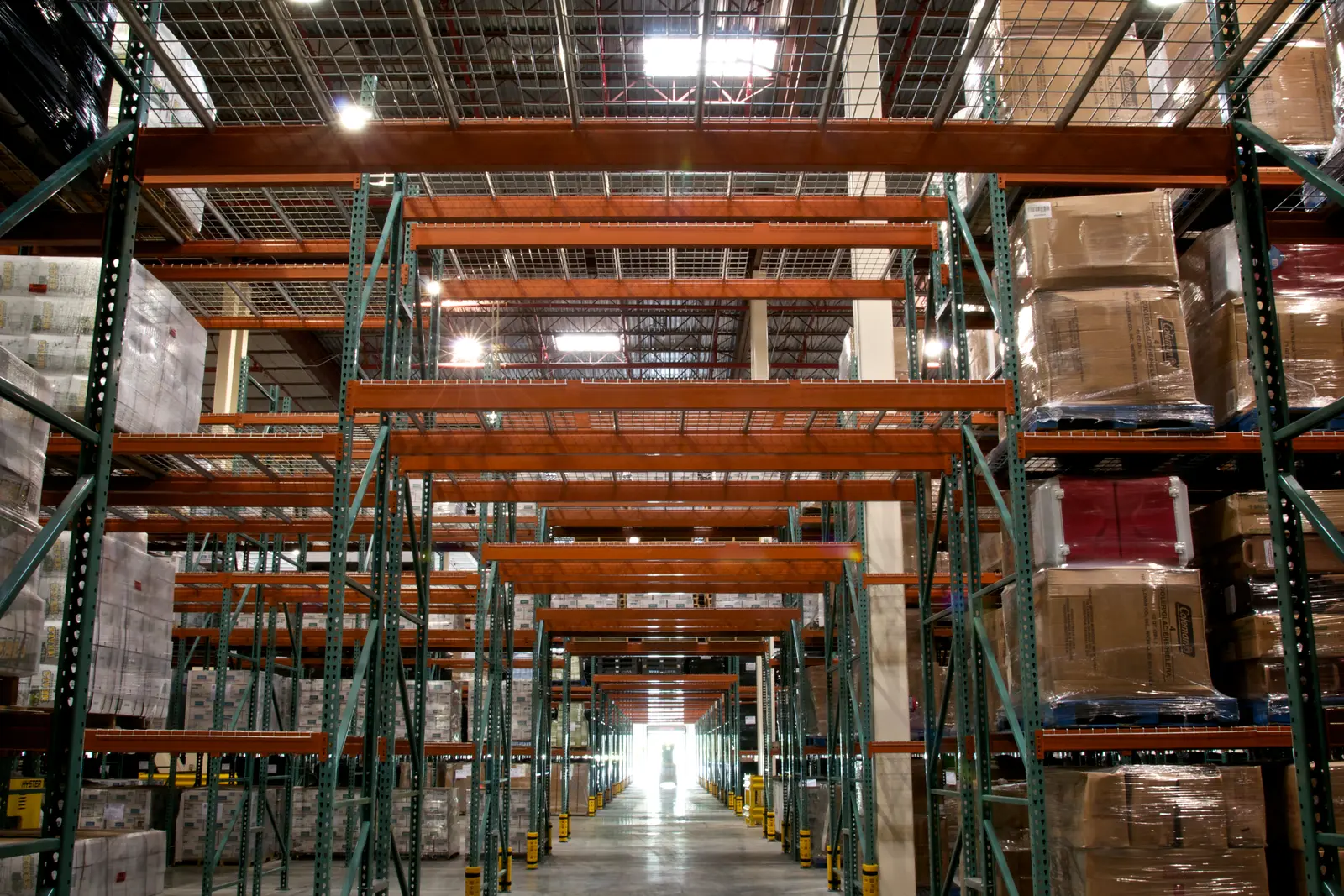
More than a homepage
The customer sees merchandising and checkout. Behind them sit inventory, payment, tax, shipping, email, analytics and support responsibilities. A credible build accounts for all three layers.
Platform-fit matrix
There is no responsible one-platform answer for every store.
Count products, variants, bundles, collections, product relationships and content requirements.
MERCHANDISINGConfirm payment methods, tax, discounts, subscriptions, customer accounts and checkout constraints.
COMMERCEMap inventory, shipping, pickup, fulfillment, returns, support and staff ownership.
FULFILLMENTReview integrations, international needs, analytics, content, team workflow and likely catalog expansion.
SCALEThe buying journey
Every stage needs accurate product information and a clear handoff to the next one.
Organize collections, categories, filters and search around the way customers recognize the products.
Show images, variants, specifications, availability, policies and delivery expectations before the cart.
Use a supported checkout, confirmation, fulfillment and service path with clear ownership.
Store build and migration
Moving a store requires more than copying product cards into a new design.
Inventory products, data sources, customer journeys, integrations, policies and team responsibilities.
Commerce requirementsMap categories, product records, filters, content, URLs and the checkout handoff.
Catalog architectureConnect approved payment, tax, shipping, inventory, email, analytics and support systems.
Working storeProtect valuable product URLs, map redirects and test transactions, tracking and customer communication.
Verified launchCatalog architecture
A beautiful collection page cannot compensate for missing variants, vague policies or a catalog the team cannot keep current.
Read the ecommerce cost guideUse real shopping attributes and avoid duplicate filter URLs competing with canonical collection pages.
Plan names, descriptions, media, specifications, variants, availability and required policy information.
Make shipping, pickup, returns, warranties, subscriptions and support expectations accessible before payment.
Assign who maintains products, inventory sources, promotions, customer messages and operational content.
Ecommerce discovery
Search visibility depends on useful product information, crawlable category relationships, strong performance and careful handling of variants, filters and discontinued items.
Ecommerce Website Design FAQs
The answer depends on catalog size, variants, content, payments, tax, shipping, inventory, integrations, staff workflow and growth plans. Platform fit is reviewed after those requirements are known.
Cost depends heavily on product count, original content, variants, integrations, custom functionality and migration complexity. Ecommerce projects receive a custom scope rather than a misleading fixed package.
Yes. The redesign should inventory product and collection URLs, theme or platform constraints, apps, analytics and transaction flows before anything changes.
Often, but what can move depends on the source and destination platforms, data quality, permissions and legal requirements. Migration boundaries are documented before the project begins.
CUSTOM ECOMMERCE SCOPE